
Numeracy
Our Vision for Mathematics Learners
We envision our students as confident and curious mathematicians. They are willing to take risks, think strategically, and apply their mathematical understanding in flexible and creative ways. Our learners demonstrate resilience, resourcefulness, and a genuine enthusiasm for mathematics.
As with all learning—whether it’s learning to walk or talk—students progress through various stages at different rates. Mathematics is no exception. When planning for any maths unit, teachers consider the developmental stages students typically move through, as well as the progression expected over time.
To support students on this learning journey, it is essential to understand the stage each student is currently working within. Teaching teams develop Common Assessment Tasks that assess a range of key mathematical skills. These tasks are informed by the Victorian Curriculum and leading research by George Booker, Kathy Richardson, and John Van de Walle. The data gathered from these assessments help identify each student’s point of need and inform planning for Focus Groups and Independent/Collaborative Learning components of the instructional model.
Number Talks
A Number Talk is a brief, consistent routine that gives students meaningful opportunities to practise computation mentally. These sessions promote the development of computational fluency by encouraging students to explore number relationships and use efficient mental strategies to solve problems involving addition, subtraction, multiplication, and division.
Teachers facilitate Number Talks using visual models and intentionally crafted problems designed to prompt discussion and strategic thinking. The emphasis remains on mental computation, with students articulating and justifying their reasoning.
Mini Lessons
Mini Lessons are focused, whole-class sessions that align with either the expected curriculum level or the primary learning need identified through the Common Assessment Task. The teacher’s role during this phase includes:
– Establishing clear Learning Intentions and Success Criteria
– Connecting to prior learning
– Building skill fluency
– Modelling examples and using exemplars
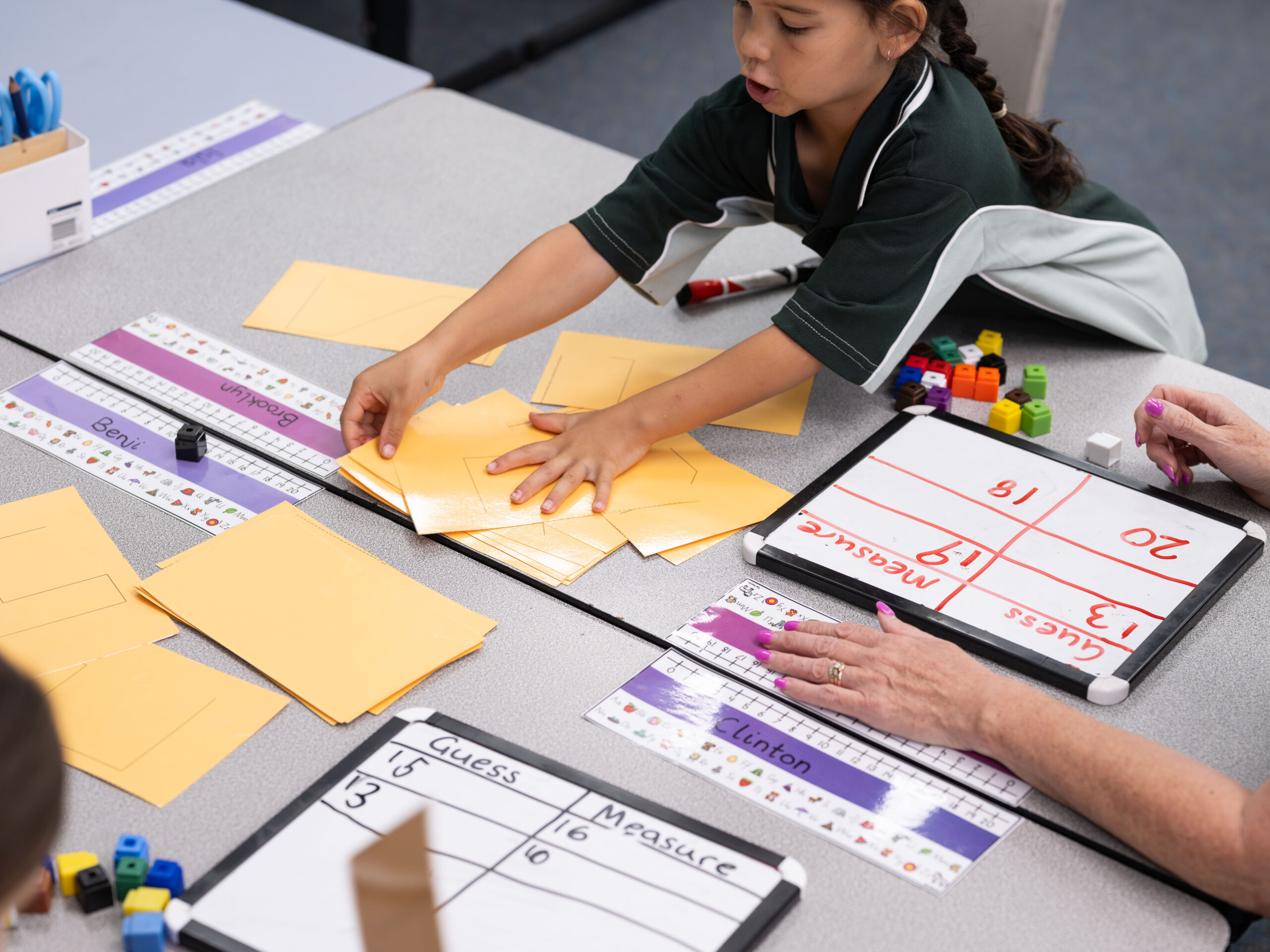
Lessons should include a progression from simple to more complex problems. All students should have access to appropriate concrete materials to support conceptual understanding at their stage of learning.
Focus Groups
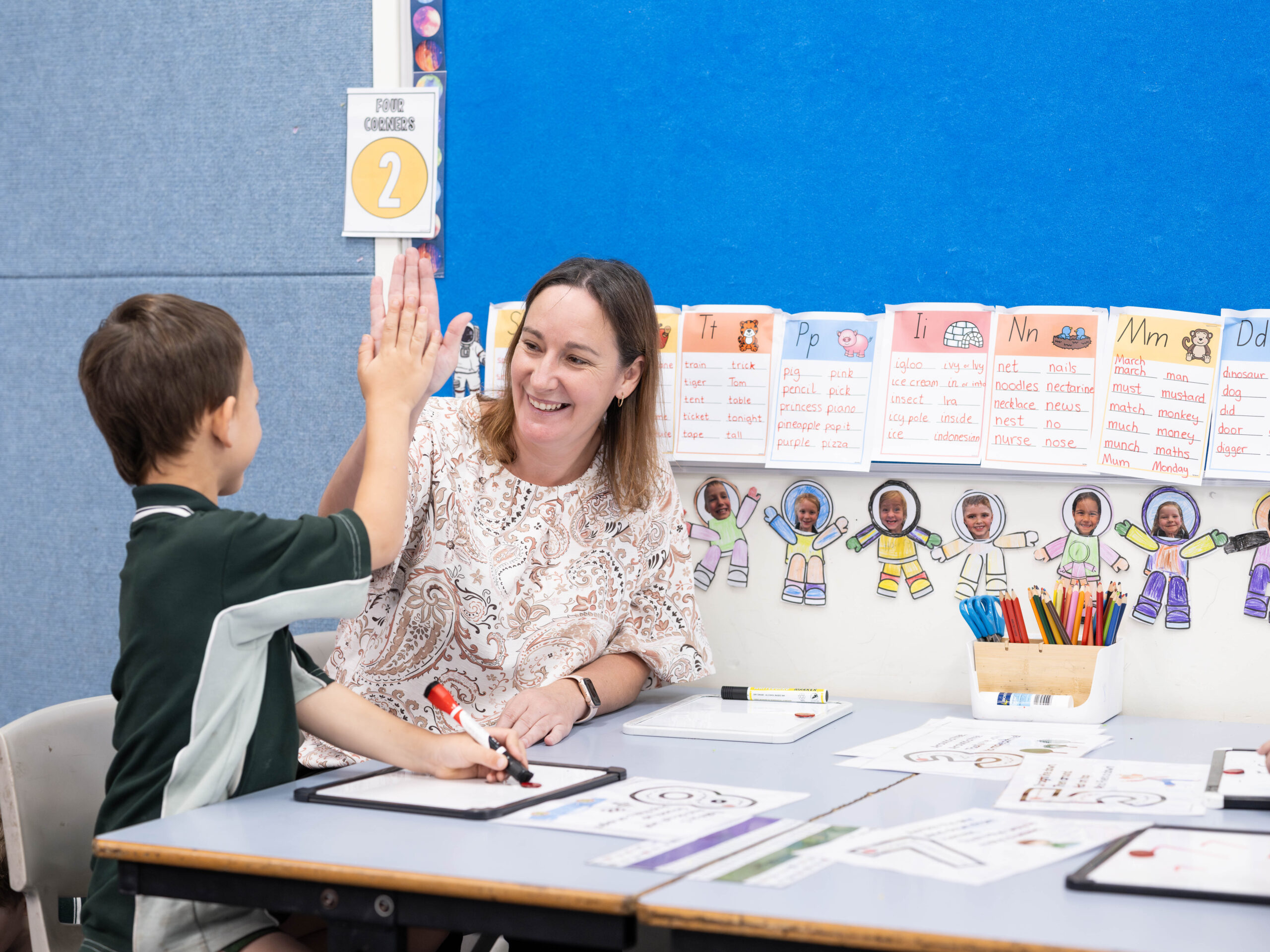
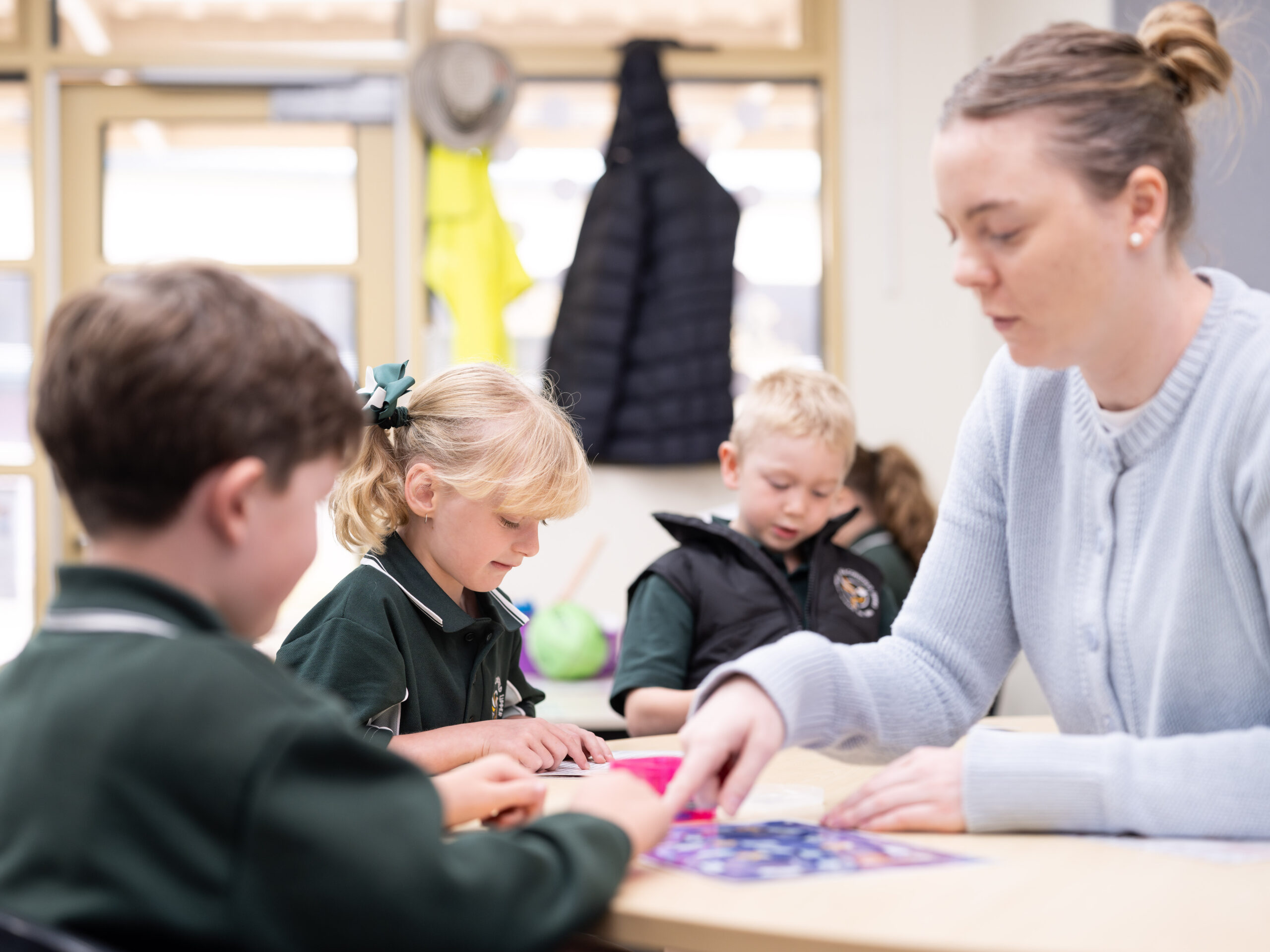
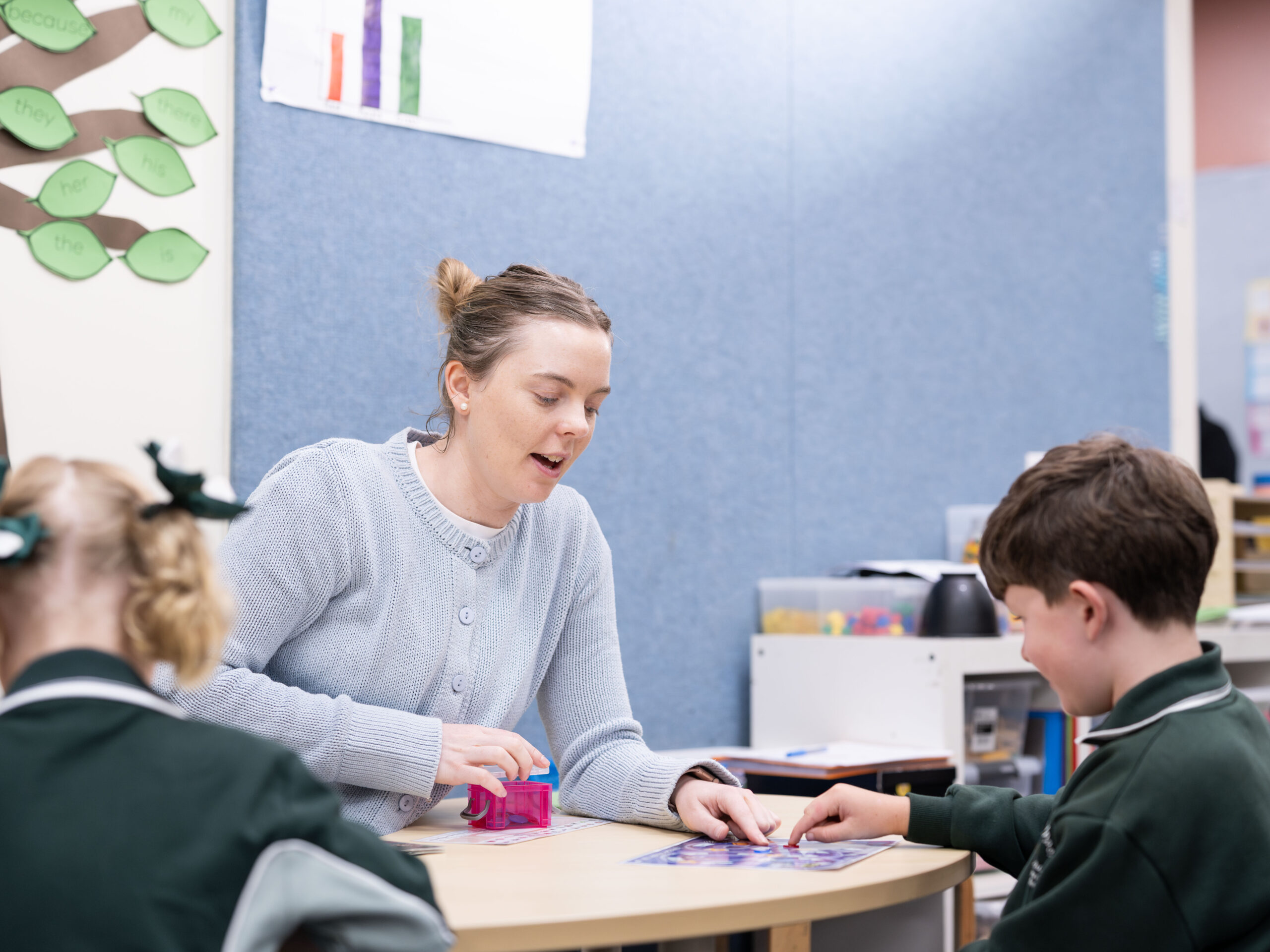
Focus Groups provide targeted, explicit instruction to students based on the needs identified through assessment. Each student works toward an individual learning goal, and teachers use observational records to track progress and inform instructional adjustments. These groups are fluid, evolving in response to student growth and ongoing data.
Independent and Collaborative Learning
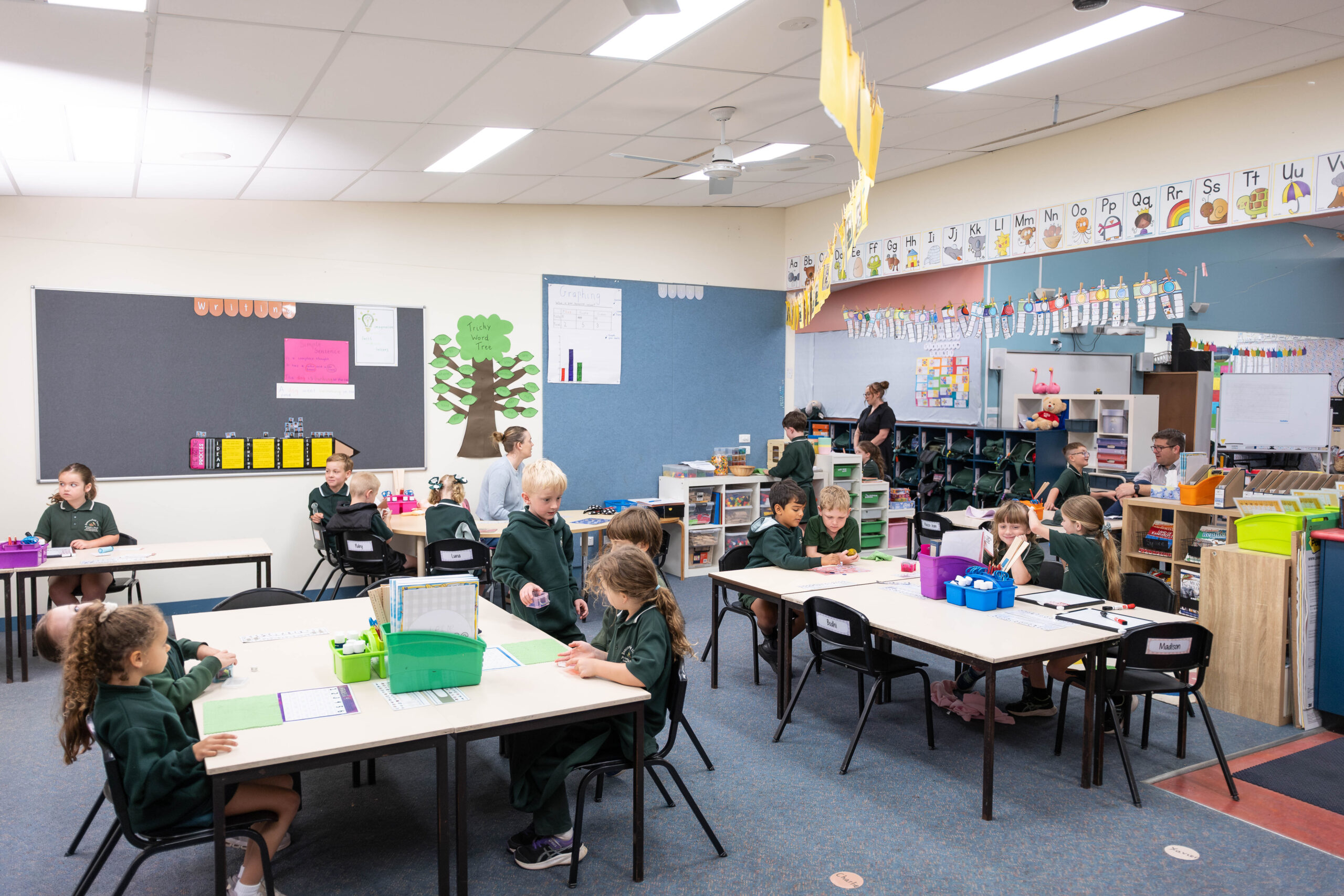
During these sessions, students engage in tasks that they can complete independently or with minimal teacher support. Activities are often follow-ups to Focus Group sessions and may include games, open-ended tasks, worksheets, or project-based work.
Importantly, these tasks are tailored to the student’s current stage of mathematical development. Teachers recognise the importance of multiple exposures to the same concept or activity to ensure deep understanding. Students do not need to complete a different task each day; rather, this time is for consolidating and practising skills introduced in earlier parts of the lesson.
Reflection
Each numeracy session concludes with a Whole-Class Reflection. Teachers select students to share their mathematical thinking, promoting metacognition and reinforcing key concepts for the whole group.